










En SINEWS somos conscientes del poder de la palabra, sentirse comprendido y poder expresar es imprescindible para que el proceso terapéutico funcione. Por eso, nuestro equipo multidisciplinar de profesionales nativos ofrece sus servicios en varios idiomas: inglés, francés, alemán, polaco, portugués, noruego, danés, holandés, hebreo… Y, por supuesto, español.
La Clínica
Nuestra fortaleza es el trabajo en equipo, nuestros profesionales, coordinados, te atenderán con respeto por la confidencialidad, rigor, calidad y calidez. En nuestro GABINETE de Madrid centro (Chamberí) ofrecemos:











Pide cita directamente con nuestros profesionales desde casa, vivas donde vivas.
Selecciona la hora y el día que mejor te venga y conéctate cómodamente. Si no puedes asistir a tu sesión, cancela tú mismo (sin coste 24 hs antes.) Nuestra plataforma es 100% confidencial, más que otros sistemas populares de videollamadas.

Ya confían en nosotros



Universidades y colegios contratan nuestros servicios in situ reduciendo costes y disponiendo de profesionales de psicología, psicopedagogía, etc, bilingües y a nuestro cargo.

Servicios para Empresas
Todo lo que una empresa necesita para cuidar de sus trabajadores y ayudarles a alcanzar su máximo potencial como profesionales.

Servicio a domicilio
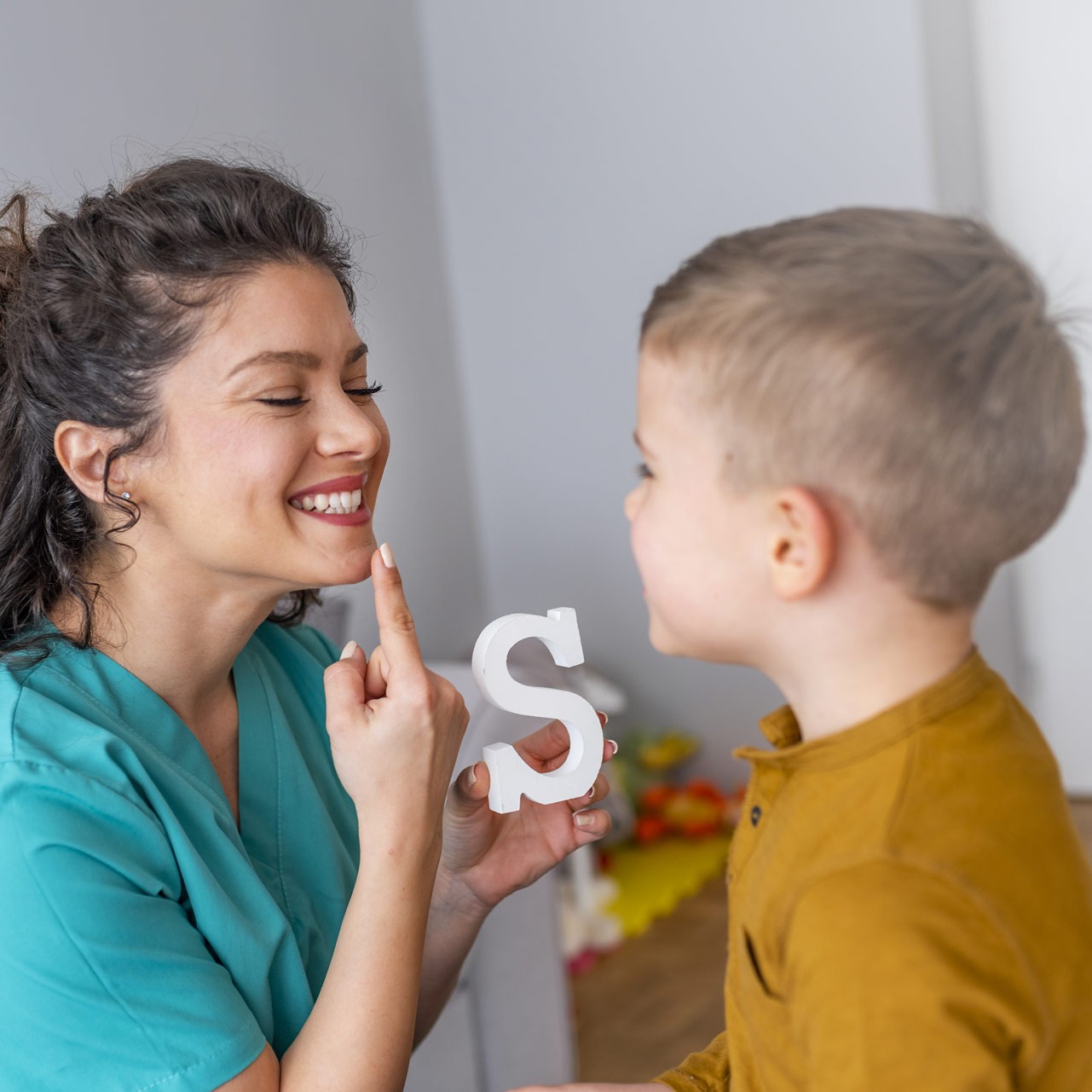
Logopedas y Psicopedagogos que le enseñan a estudiar de modo más eficaz y mejorar su forma de hacer los exámenes. Un tutor profesional en casa para niños con dislexia, TDAH…
Apoyo en el aula
Cuando seguir la clase en primaria le resulta muy difícil, nuestros profesores asistentes apoyan su trabajo en el aula para permitir que el niñ@ continúe integrado (con aprobación del cole)